
Ultimate Selection of Demolition Machinery and Accessories
Browse a comprehensive range of equipment designed to meet the demands of various demolition applications.
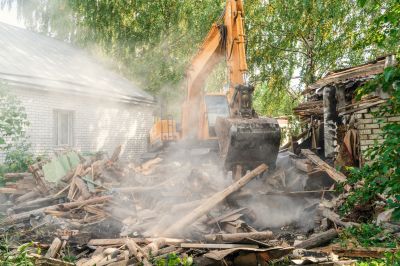 Demolition projects in Englewood, CO, require a variety of specialized tools and equipment to ensure safety and efficiency. From small-scale interior tear-outs to large structural demolitions, selecting the appropriate products is essential. Proper equipment can help streamline the process, minimize hazards, and improve overall project outcomes. It is important to understand the different types of demolition tools available, their specific applications, and safety considerations to make informed purchasing decisions.
Top Overall Option
Heavy-Duty Demolition Hammer
A versatile and powerful demolition hammer designed to handle a wide range of materials including concrete and masonry. Its robust construction and multiple chisel options make it suitable for various demolition tasks, providing reliable performance and ease of use. Ideal for both professional contractors and serious DIYers, this tool can significantly enhance productivity on demolition sites.
Types of Products For Demolition Service
Demolition Hammers
Electric or pneumatic tools used for breaking concrete, brick, and stone with high impact force, suitable for large-scale demolition projects.
Sledgehammers
Traditional hand tools ideal for breaking smaller structures, prying, and general demolition work.
Reciprocating Saws
Power saws equipped with demolition blades for cutting through wood, metal, and drywall during tearing down structures.
Concrete Crushers
Heavy machinery attachments or standalone units designed to crush and reduce concrete debris efficiently.
Hydraulic Breakers
Attachments for excavators that deliver powerful blows to break apart large concrete and rock formations.
Demolition Wheelbarrows
Robust wheelbarrows built to transport debris safely and efficiently around demolition sites.
Dust Extraction Systems
Equipment designed to control dust during demolition, improving safety and visibility.
Safety Gear
Protective equipment including helmets, goggles, gloves, and respirators essential for safe demolition work.
Jackhammers
Portable pneumatic tools used for breaking up pavement, concrete, and other hard materials.
Prying Tools
Crowbars, pry bars, and other hand tools for removing nails, pulling apart structures, and leverage work.
Scaffolding and Ladders
Support structures for reaching elevated areas safely during demolition.
Portable Compressors
Power sources for pneumatic tools like jackhammers and nail guns used in demolition activities.
Wire and Cable Cutters
Tools for safely cutting electrical wiring and cables during demolition projects.
Structural Supports
Temporary supports and shoring equipment to stabilize structures during partial demolition.
Debris Containers
Large bins or dumpsters for collecting and disposing of demolition debris efficiently.
Popular Choices
Portable drills with high torque, useful for light demolition and remodeling tasks.
Power tools suitable for drilling and chipping concrete and masonry surfaces.
Efficient for removing structures or fastening during demolition preparations.
Popular for breaking up tough materials in both small and large demolition projects.
Corded or cordless saws designed for cutting through various building materials.
Specialized blades for cutting concrete, brick, and stone with precision.
Devices used to minimize dust during demolition, maintaining cleaner work environments.
Essential safety gear for head and face protection during demolition activities.
Reliable for transporting debris quickly across job sites.
Temporary supports to ensure stability during partial demolitions.
Large containers for debris collection, suitable for commercial demolition sites.
Attachments for rotary tools or jackhammers designed for breaking tough materials.
In demolition, versatility and durability are key factors. Many tools are designed to handle various materials such as concrete, wood, and metal, allowing for flexibility in different project scopes. Additionally, safety equipment and accessories play a crucial role in protecting workers and ensuring compliance with safety standards. Investing in high-quality, reliable products can contribute to smoother operations and better results.
Whether working on residential, commercial, or industrial sites, having the right demolition equipment can significantly impact the efficiency of the project. Contractors and DIY enthusiasts alike should consider their specific needs, project size, and safety requirements when choosing products. Proper training and understanding of each tool's capabilities are also vital for safe and effective use. This comprehensive overview aims to assist those in Englewood, CO, in identifying suitable products for their demolition needs.
Key Buying Considerations
- Assess the scope and scale of your demolition project to determine the appropriate equipment size and power.
- Consider the types of materials you'll be working with, such as concrete, wood, or metal, to select compatible tools.
- Prioritize safety features and protective gear to ensure compliance with safety standards and protect workers.
- Evaluate the power source options—electric, pneumatic, or gas—based on site accessibility and convenience.
- Check the durability and build quality of tools to ensure longevity and resistance to heavy use.
- Look for ergonomic designs that reduce fatigue during prolonged use.
- Determine if additional accessories or attachments are needed to expand tool versatility.
- Consider noise levels, especially if working in residential or noise-sensitive areas.
- Review maintenance requirements and availability of replacement parts for long-term use.
- Factor in budget constraints while balancing quality and performance needs.
- Ensure proper training or instructions are available for safe and effective operation.
- Verify compatibility with existing equipment or tools on your job site.
- Assess storage and transportation options for larger equipment or multiple tools.
- Research warranty and customer support options for peace of mind during heavy usage.
- Understand local regulations regarding demolition equipment and safety standards in Englewood, CO.